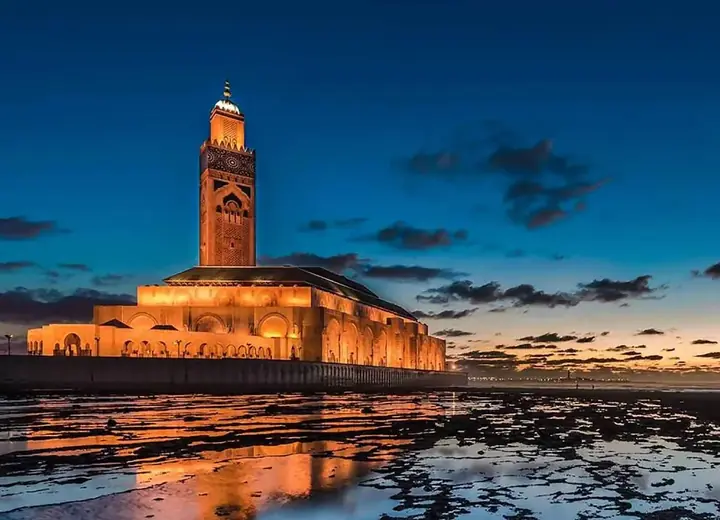

Nights 1, 2 and 3
Agadir
Comfortable hotel
A well-located hotel with en-suite rooms, chosen for comfort and convenience after a day on the road.
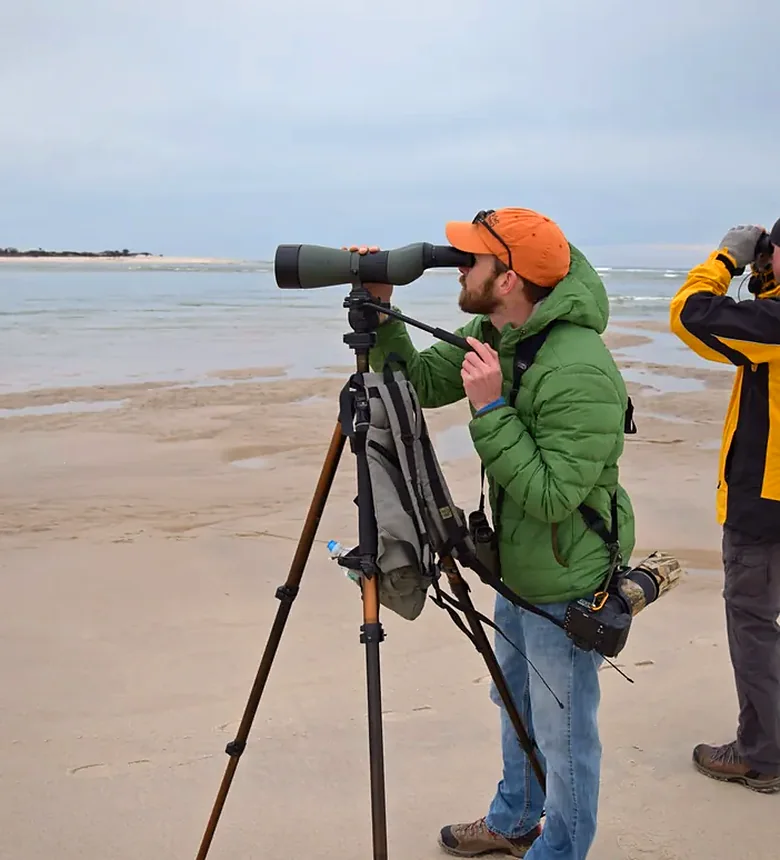
Our most complete birdwatching journey, ten days from Agadir to Marrakech.


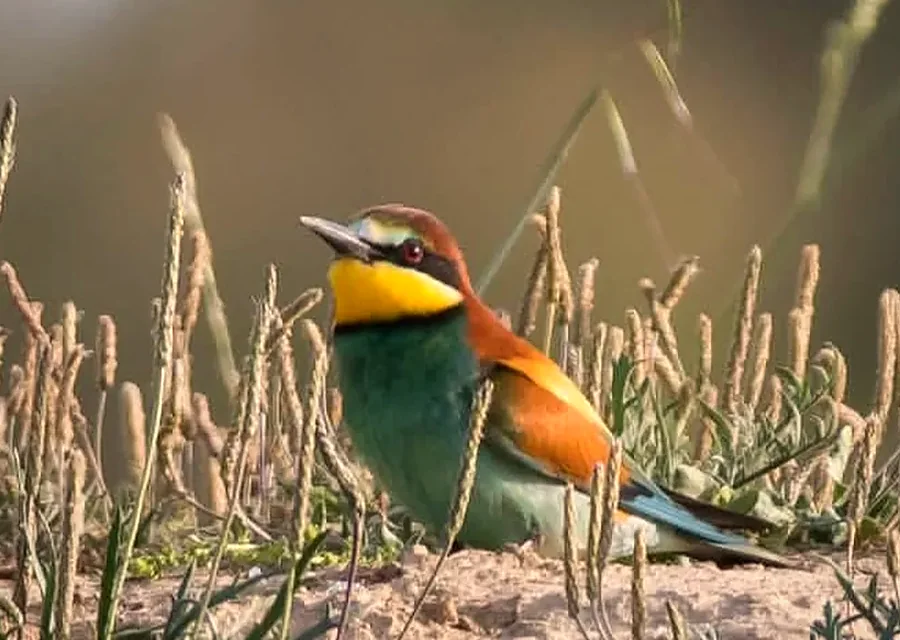


Tour overview
Our most complete birdwatching journey, ten days from Agadir to Marrakech. It joins the Atlantic coast, where the Northern Bald Ibis lives, with the Anti-Atlas, the larks of the Tagdilt track, the desert birds of Erg Chebbi and the high-mountain species of Oukaimeden, covering most of the habitats and specialities of southern Morocco.
Our 10 Day Morocco Birding Tour from Agadir to Marrakech begins in Agadir and ends in Marrakech, covering about 1,850 km by road over ten days. Along the way you will experience the Tizi n'Tichka pass over the High Atlas, the Dades Valley and Todra Gorge, a sunset camel trek in the dunes of Erg Chebbi, a night in a desert camp, Taroudant and the saffron country of Taliouine, the Northern Bald Ibis of Tamri and the Souss-Massa National Park and the desert birds of Erg Chebbi, from Desert Sparrow to Pharaoh Eagle-Owl. Each stop is a real visit on foot, with your driver-guide explaining what you are looking at and local people adding their own stories.
Accommodation is chosen for character and location rather than size: 9 nights in all, in riads and boutique hotels in the medinas and old towns, kasbah-style guesthouses in the southern valleys, comfortable hotels where they suit the route better and one night in a desert camp in the dunes of Erg Chebbi. You travel in a private, air-conditioned vehicle, a 4x4 or a minibus depending on the size of your party, with an English-speaking driver-guide who knows these roads well. Spanish, Italian, French and Portuguese-speaking guides are available on request.
It is planned for birdwatchers and wildlife photographers, from keen beginners to experienced listers, and for their travelling companions: days start early and follow the rhythm of the birds, with long stops at the best sites and time to rest in the heat of the day. The longest day on the road is day 4, with 6 hours plus birding stops of driving; every other day is shorter, and all of them are broken up by visits and stops. Like all our tours it is fully private, so the plan below can be lengthened, shortened or rearranged to fit your dates.
Highlights
Detailed itinerary
Your Moroccan birding journey starts in Agadir. On arrival at Al Massira Airport your driver-guide is waiting for you and takes you to your hotel in the city.
In the afternoon, if your flight allows, you begin at the Oued Souss estuary, a short drive south. Greater Flamingos, spoonbills, herons and waders feed on the mudflats, and the sandbanks attract Audouin's Gulls and terns.
The riverside scrub may already give you your first Moussier's Redstart and Sardinian Warbler. Over dinner your guide talks you through the ten days ahead, from the coast to the Sahara and the High Atlas.
An early drive north along the coast brings you to Tamri and Cap Ghir, the main stronghold of the Northern Bald Ibis, a bird that survives in the wild almost only on this stretch of the Moroccan coast.
You watch the ibises from a distance as they feed on the coastal steppe, then scan the cliffs and the sea, where gannets, shearwaters and Audouin's Gulls pass offshore. Barbary Partridge, Black Wheatear and Thekla Lark live on the slopes.
On the return to Agadir you stop in the argan woods for Moussier's Redstart and Woodchat Shrike, and reach your hotel in the afternoon.
Today you head south to the Souss-Massa National Park and the lagoon at the mouth of the Oued Massa, one of the richest birding sites on the Atlantic coast of Morocco.
Along the river tracks, the scrub is the place for Black-crowned Tchagra, Moussier's Redstart and Barbary Partridge, while the reeds and open water hold Marbled Duck, Glossy Ibis, Purple Heron and Western Swamphen.
Northern Bald Ibises sometimes feed in the coastal fields here too. You return to Agadir in the late afternoon for your last night on the coast.
Leaving the coast, you cross the Souss plain to Taroudant through argan groves where Woodchat Shrikes and Spotless Starlings perch on the trees. The road then climbs into the Anti-Atlas past Taliouine, the centre of saffron growing.
On the stony slopes you stop for the birds of drier country: Maghreb Wheatear, Red-rumped Wheatear, Thekla and Desert Larks and, with luck, Long-legged Buzzard hunting over the plateau. It is a long day on the road, broken by these regular stops.
In the late afternoon you reach Ouarzazate, where you check in to a kasbah-style hotel for the night.
From Ouarzazate you follow the Road of a Thousand Kasbahs east to Skoura, where the palm grove and its gardens are good for Hoopoe, Common Bulbul and warblers.
The afternoon is spent on the Tagdilt track near Boumalne Dades, a stony plateau that is one of the classic lark sites of North Africa. Thick-billed and Temminck's Larks, Red-rumped Wheatear, Cream-coloured Courser and Black-bellied Sandgrouse are among the birds found here.
You stay in a kasbah-style guesthouse in the Dades Valley, close to the plateau for an early start tomorrow.

Before breakfast you return to the Tagdilt plateau, when the larks sing and sandgrouse fly to drink, for a second chance at any species you missed.
East of Tinghir you walk into the Todra Gorge, where Pale Crag Martins and Blue Rock Thrushes nest on the cliffs and Bonelli's Eagles sometimes pass overhead.
The afternoon drive crosses the hamada to Erfoud and Merzouga, with roadside stops for wheatears and larks. At the foot of Erg Chebbi you mount a camel for the ride to your camp as the sun sinks, then share a campfire dinner and an evening of drumming and songs before sleeping in a mid-range luxury desert camp (luxury camp on request).
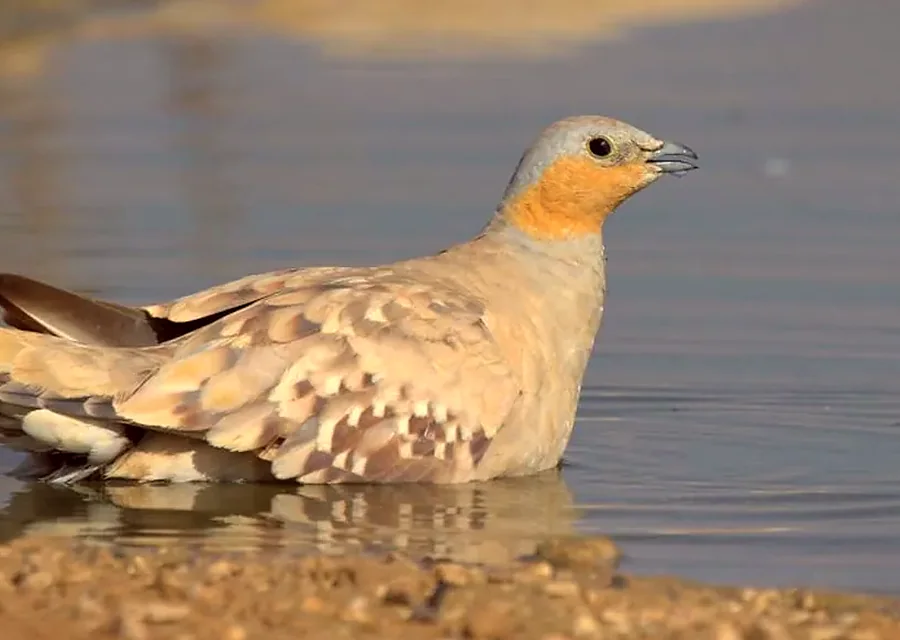
Today is spent entirely in the Erg Chebbi area, the highlight of the desert part of the tour. Leaving before sunrise, you visit the edges of the dunes and the small oases for Desert Sparrow, Fulvous Babbler and African Desert Warbler, and watch the sky for sandgrouse heading to water.
Later in the morning the open plains around the dunes give chances of Greater Hoopoe-Lark, Bar-tailed and Desert Larks, Cream-coloured Courser and White-crowned Wheatear, while Lanner Falcons sometimes hunt along the dune edge.
After a rest during the hottest hours, the evening is set aside for owls and nightjars: a quiet visit to a Pharaoh Eagle-Owl site and, in the warmer months, a wait at dusk for Egyptian Nightjar.
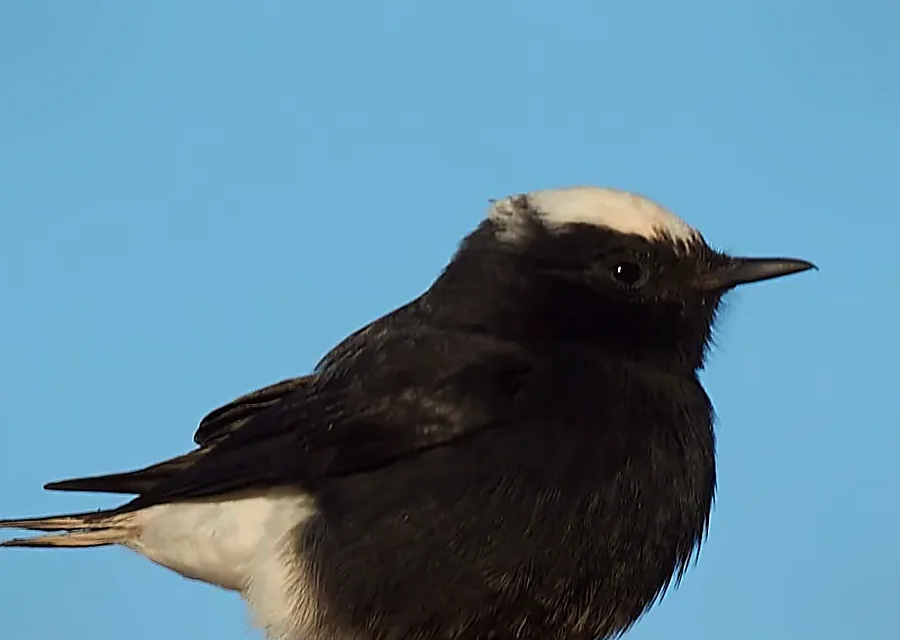
A dawn walk at the edge of the dunes gives a last chance for the desert specialities before you leave Merzouga.
Driving west through Rissani, Alnif and Tazzarine, you cross the wide basin of the Maider, stopping at wadis and acacia scrub for Bar-tailed Lark, Blackstart, Desert Grey Shrike and Brown-necked Raven.
In the late afternoon you arrive in Ouarzazate and spend the night in a kasbah-style hotel.
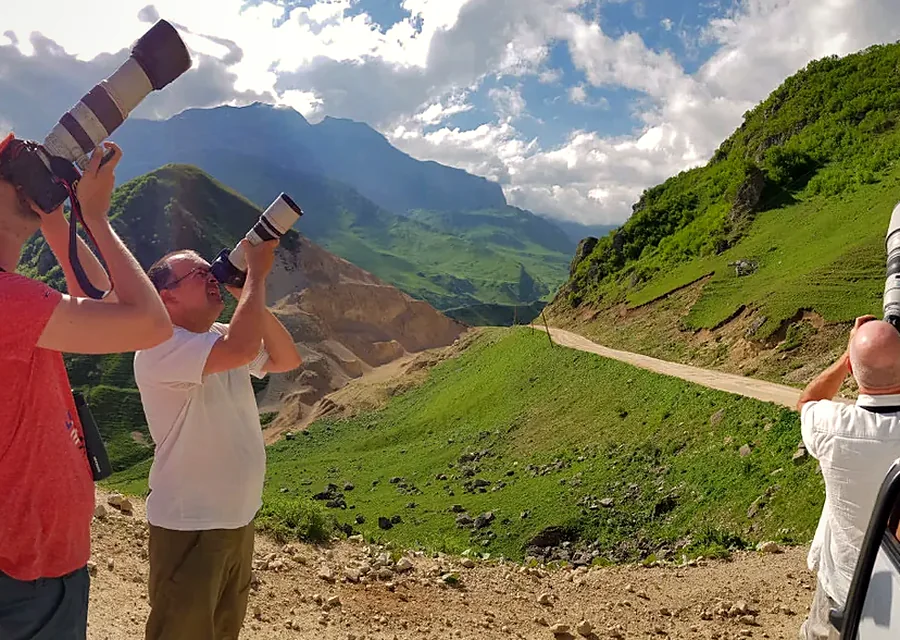
In the morning you scan the El Mansour Eddahbi reservoir for Ruddy Shelduck, herons and waders before heading for the mountains.
The Tizi n'Tichka road crosses the High Atlas, with stops in the scrub for Tristram's Warbler and Barbary Partridge, and in the walnut groves of the northern slopes for Levaillant's Woodpecker.
You reach Marrakech in the afternoon and check in to a riad in the medina for your last night.

The tour ends high in the mountains. After an early breakfast you drive up the Ourika Valley to Oukaimeden, the best place within reach of Marrakech for the birds of the High Atlas.
On the high plateau you search for Crimson-winged Finch, Alpine and Red-billed Choughs, Atlas Horned Lark and Rock Sparrow, and scan the ridges for Golden Eagle and Bearded Vulture, now very rare in Morocco but still worth watching for.
In the early afternoon you return to Marrakech, where your driver drops you at Menara Airport or your hotel.
Good to know
Before you go
Your driver-guide meets you at Agadir Al Massira Airport when your flight lands and takes you to your hotel. Send us your flight number and we will follow any delay.
The tour ends at your accommodation in Marrakech or at Menara Airport. On tours that arrive in the evening, we recommend booking a flight for the following day.
A different start or end point is rarely a problem. Because every tour is private, we can begin in one city and finish in another; tell us where you are staying and we will adapt the route and the quote.
Spring (March to May) and autumn (September to November) are the most comfortable seasons for this route. Days are warm and clear, nights are mild, and in April and May the valleys of the south are green and the roses of Kalaat M'Gouna are in bloom.
Winter is a good time for the desert if you bring warm clothes: skies are bright and the dunes are quiet, but temperatures after dark can fall to around freezing and the High Atlas passes occasionally close for a few hours after snow. In July and August the Sahara is very hot in the afternoon, so we shift the camel trek later, start driving earlier and can recommend a camp with air-cooled tents.
During Ramadan the tour runs as normal. Some restaurants close during the day in smaller towns, your driver-guide will know where to stop, and evenings are especially lively after sunset.
Questions and answers
Yes. You travel only with the people in your own party, in a private vehicle with your own driver-guide. That means you choose the departure date, set the pace and can stop wherever you like along the way.
It varies from day to day. The longest stretch is on day 4, with 6 hours plus birding stops on the road, and the other days are noticeably shorter. In total the tour covers about 1,850 km. All times are approximate and broken up by visits, lunch and photo stops.
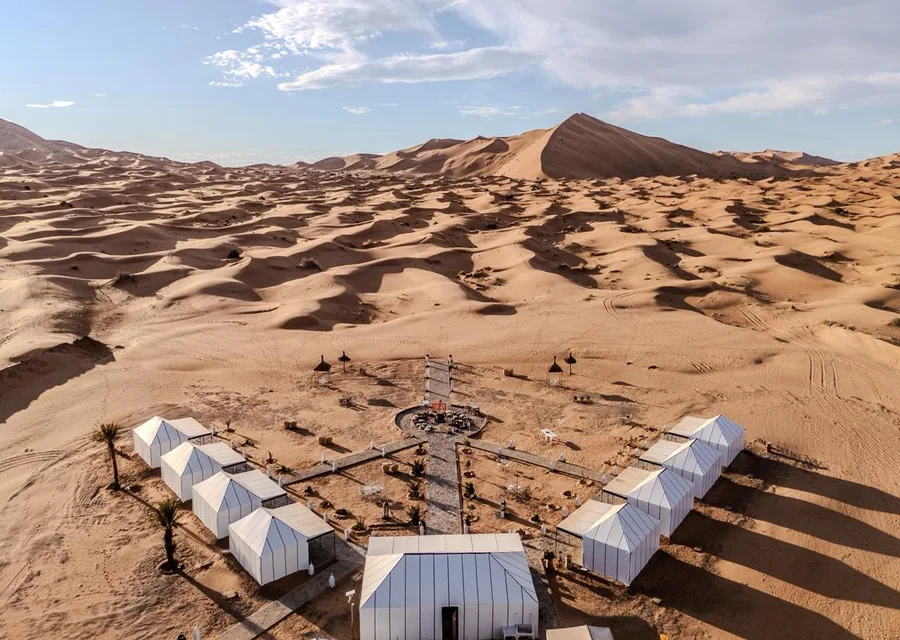
Camps in Erg Chebbi have real beds with sheets and blankets, a dining tent and a fire circle. You choose between two options. Our mid-range luxury camp has private tents with en-suite bathrooms, hot showers and comfortable bedding. Our luxury camp has more spacious tents with air conditioning and heating, high-quality bedding and premium bathroom amenities. Dinner and breakfast are served at the camp.
No. The camel trek is included and most guests enjoy it, but if you prefer, we take you to the camp by 4x4. This is also what we suggest for very young children, pregnant travellers and anyone with back or knee problems.
Yes. The programme on this page is a starting point. We can add nights, swap stops, upgrade accommodation or finish somewhere other than Marrakech. Tell us what you have in mind and we will adjust the route and send a new quote.
Our birding tours are private trips with an experienced driver-guide who knows the routes and the classic birding sites. A specialist ornithologist guide is not included in the itinerary. If you would like one for the whole tour or for certain sites, tell us when you enquire and we will tell you honestly what we can arrange.
No one can promise wild birds, but the itinerary is built around the habitats and seasons where these species are regularly found, and we adapt the timing on the ground to give you the best chances.
Yes. The pace includes rests in the middle of the day, and many birding sites are also beautiful places to walk, photograph or simply enjoy. We can add a visit or two for non-birders on request.
March to May and September to November offer the most comfortable temperatures. Winter is clear and quiet but cold at night in the desert; in July and August the Sahara is very hot, and we adjust the timings accordingly.
Prices are always quoted on request: the price depends on the number of travellers, the season and the accommodation category, so we quote each request individually. Send us your dates and group size by WhatsApp or email and we will reply with a detailed quote. You can ask for as many changes as you need before confirming.
Accommodation
Carefully selected riads, guesthouses, hotels and desert camps. The exact properties are confirmed with your quote, in the category you choose.
Nights 1, 2 and 3
Comfortable hotel
A well-located hotel with en-suite rooms, chosen for comfort and convenience after a day on the road.
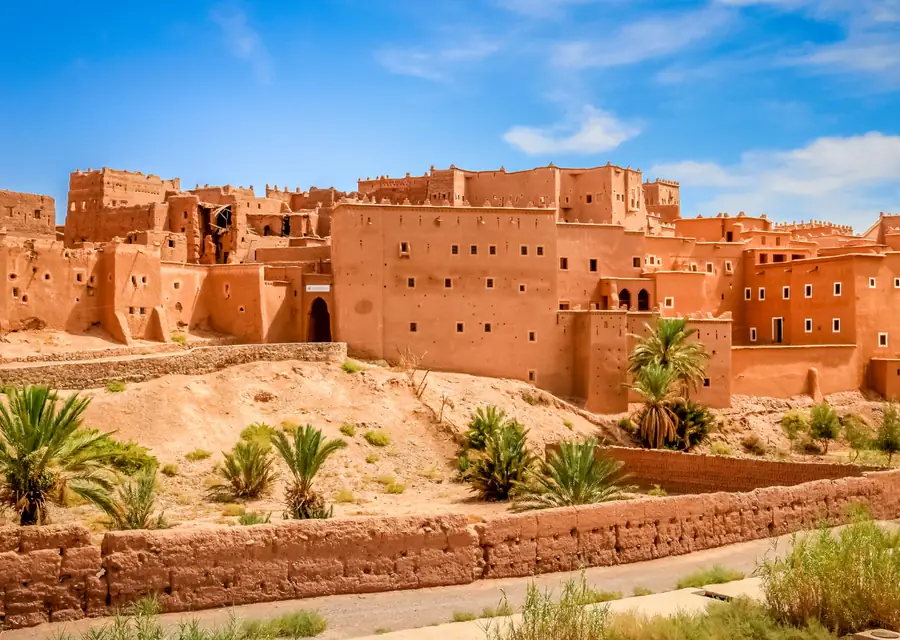
Nights 4 and 8
Kasbah-style guesthouse
A family-run guesthouse or kasbah hotel built in the local earthen style, with en-suite rooms, a terrace over the valley and a home-cooked dinner.
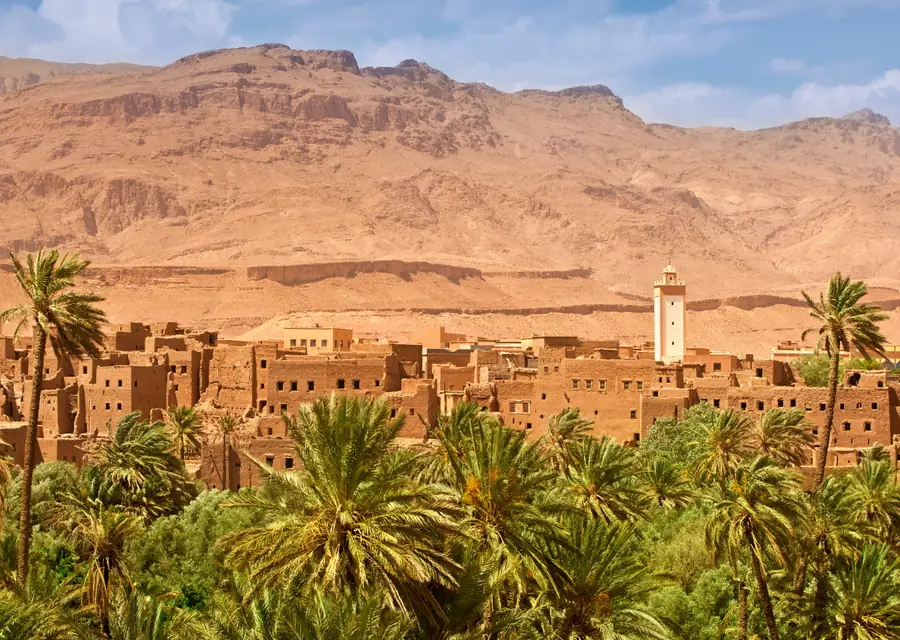
Night 5
Kasbah-style guesthouse
A family-run guesthouse or kasbah hotel built in the local earthen style, with en-suite rooms, a terrace over the valley and a home-cooked dinner.
Night 6
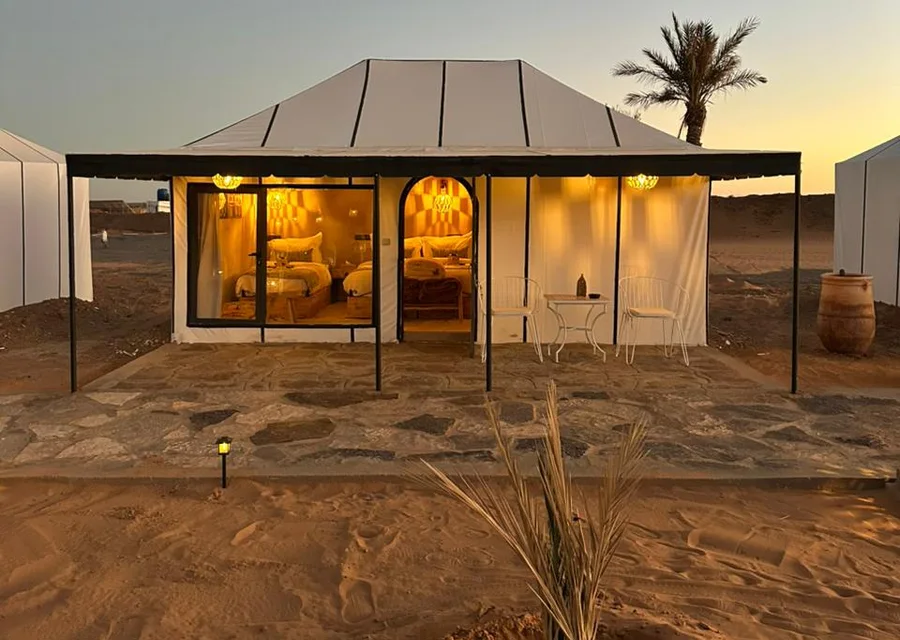
Desert camp in Erg Chebbi
A camp among the dunes with proper beds and bedding in each tent, a dining tent and a fire circle. We offer two options, both with private tents, en-suite bathrooms and hot showers: a mid-range luxury camp, and a luxury camp with more spacious tents, air conditioning and heating.
Night 7
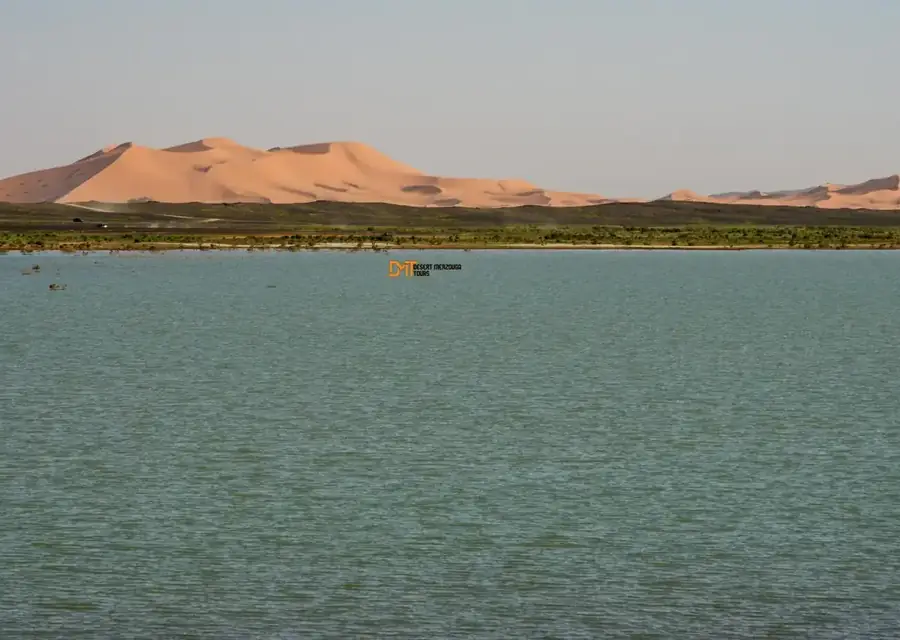
Kasbah-style guesthouse
A family-run guesthouse or kasbah hotel built in the local earthen style, with en-suite rooms, a terrace over the valley and a home-cooked dinner.
Night 9
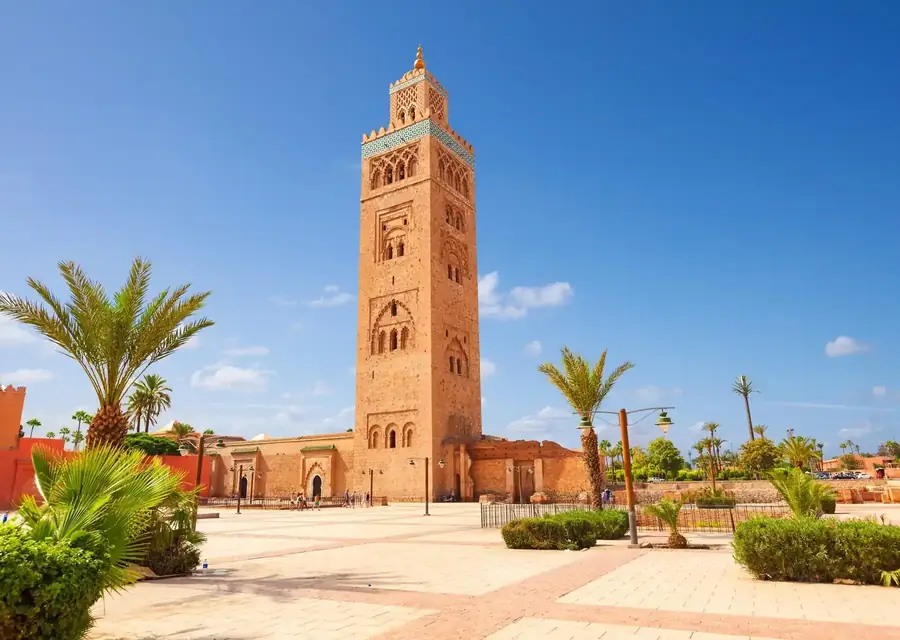
Riad or boutique hotel
A traditional house built around a courtyard, in or beside the old town, with individually decorated rooms and breakfast served on the roof terrace or in the patio.
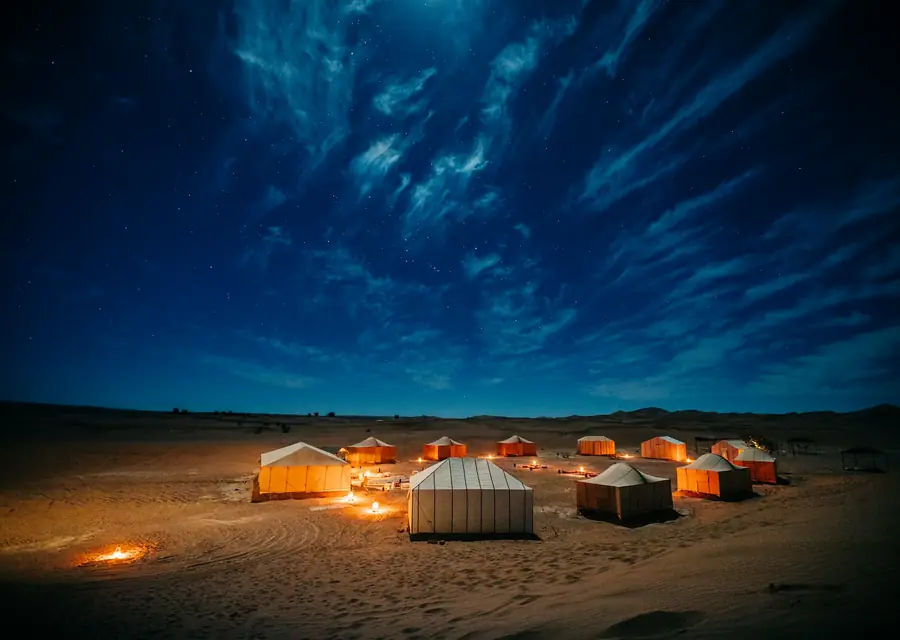
Your night in the Sahara
We offer two camps in the dunes of Erg Chebbi. Tell us which one you prefer when you enquire.
 Included in this tour
 Upgrade on request
Gallery
The places you will stand in on this route, in the order you reach them.
Similar tours
Agadir · Ait Ben Haddou · Dades Valley · Merzouga · Fes · Rabat · Casablanca
Agadir · Ait Ben Haddou · Dades Valley · Merzouga · Fes
Agadir · Ait Ben Haddou · Merzouga · Dades Valley · Marrakech
Casablanca · Rabat · Chefchaouen · Fes · Merzouga · Dades Valley · Marrakech · Casablanca
Tell us your dates and group size, and we will send you this itinerary with a personal quote. You can change anything you like before confirming.